Details You'll Never Notice That Define Luxury: The Hidden Craftsmanship Behind High-End Fashion
- Jan 23
- 6 min read

Introduction: The Invisible Architecture of Luxury
When you hold a Hermès bag or slip into a Loro Piana cashmere coat, something feels different. But what exactly are you paying for?
The answer lies in hundreds of micro-decisions and invisible details that most customers will never consciously notice. These obsessive touches distinguish a $200 handbag from a $20,000 investment piece.
In this guide, we'll decode the hidden language of luxury fashion, revealing the craftsmanship secrets that elite brands use to justify their pricing—and why these details matter more than you think.
The Philosophy Behind Luxury Details
Why Luxury Brands Obsess Over the Invisible
Luxury fashion operates on a fundamentally different philosophy than mass-market brands. While fast fashion optimizes for speed and cost-efficiency, luxury houses build their reputations on fanatical attention to detail—even in places customers will never look.
This obsession serves multiple purposes. First, it ensures longevity that transforms clothing into heirloom pieces. Second, it creates a tactile experience that feels qualitatively different. Third, it maintains craftsmanship standards perfected over decades or centuries.
The Psychology of Perceived Value
Neuroscience reveals that our brains process quality through subtle sensory cues—the weight of fabric, the smoothness of a zipper, how a button closes. When you open a Chanel box or notice how a Brunello Cucinelli sweater drapes without pulls after years of wear, your subconscious registers quality.
The Nine Pillars of Luxury Detail
1. Packaging: The First Touch Point
Luxury packaging isn't excess—it's strategic brand storytelling. Before you touch the garment, packaging establishes value perception.
What luxury brands invest in:
Multi-layered protection with 400+ GSM cardstock and grosgrain ribbons
Embossed logos, magnetic closures, signature scents
Structural engineering for international shipping protection
Sustainable materials that maintain premium aesthetics
Tiffany & Co.'s blue box (Pantone 1837) is trademarked—empty boxes resell online. This exemplifies how packaging transcends function to become brand equity.

2. Labeling: The Mark of Authenticity
Mass-market brands print care labels on synthetic ribbons that fray within seasons. Luxury brands treat interior labels as miniature works of art.
Luxury label characteristics:
Woven silk or satin labels, hand-sewn with coordinating thread
Country of origin, fabric composition in multiple languages
Custom fonts matching brand identity
A Loro Piana label specifies micron count (15.5 microns), origin (Mongolia), and batch traceability codes. This transparency signals confidence in sourcing.
Hidden authentication features:
Microprinting visible only under magnification
UV-reactive threads revealing hidden patterns
Holographic elements in logos
Date codes and serial numbers

3. Fabric Selection: Beyond Thread Count
When Hermès claims "twice-twisted" silk threads, these are material science specifications that dramatically impact performance.
What defines luxury fabric:
Extra-long staple cotton (35mm+), high-micron cashmere (14-15.5 microns)
Higher thread counts (300+), tighter knits
Traceable supply chains from specific superior regions
A Zegna suit uses Super 130s wool (17 micron diameter) versus mid-range Super 100s (19.5 microns). This 2.5-micron difference creates noticeably softer feel and better drape.
Rare materials commanding premium prices:
Vicuña: $300-500 per meter
Baby cashmere: 13-13.5 microns, extremely limited
Qiviut: Eight times warmer than sheep's wool
Lotus silk: Labor-intensive harvesting from Myanmar
4. Construction Techniques: The Architecture Beneath
Turn a luxury garment inside-out and discover hidden craftsmanship. The interior often receives as much attention as the exterior.
What separates the extraordinary from ordinary:
The inside of a Chanel jacket is finished as beautifully as the outside—hidden chain weights that make the jacket fall perfectly on your body, hand-sewn linings that move with you rather than against you, and seams so meticulously finished they look architectural. Stripes and patterns align flawlessly across every seam, creating a visual harmony that your eye appreciates even if you can't articulate why.
Hand-finishing elements:
Hand-sewn buttonholes taking 15-20 minutes each
Hand-stitched invisible hems
Hand-sewn linings moving independently from outer fabric
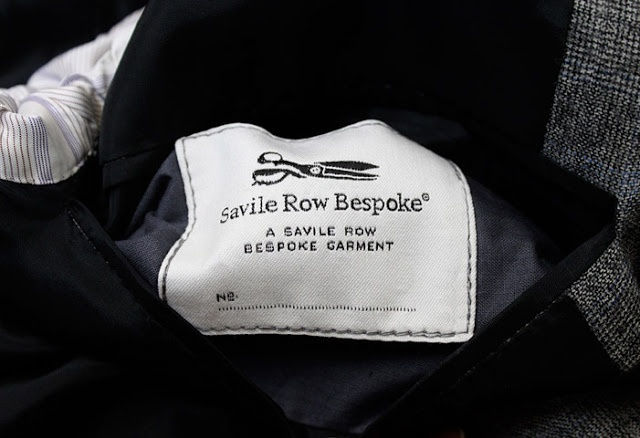
A bespoke Savile Row suit contains approximately 5,000 hand stitches.
5. Hardware: The Overlooked Details
Zipper Engineering
Premium zipper characteristics:
YKK Excella, Riri, Lampo—high-end manufacturer partnerships
Solid brass teeth with nickel-free finishes
Self-lubricating systems preventing snagging
Branded custom pulls
A Riri zipper costs $15-30 wholesale versus $0.50 for standard zippers—but the customer experience difference is measurable.

Buttons and Closures
What makes luxury buttons special:
Genuine mother-of-pearl, horn, corozo nut (not plastic)
Hand-carved, unique grain patterns
Substantial thickness (3-5mm vs. 1-2mm)
Four-hole buttons sewn with thread shank
Loro Piana uses corozo nut buttons costing $5-8 per button. A coat with eight buttons has $40-64 in button costs alone.
6. Lining: The Hidden Luxury
Premium lining features:
Bemberg (cupro), silk, or high-grade viscose that breathes
Full linings in jackets for smooth dressing
Complementary patterns adding visual interest
Structural elements like chest canvas
Open a Dior jacket and find a lining more beautiful than most dresses—silk twill printed with signature motifs.

Hidden structural components:
Natural horsehair and wool canvas molding to your body
Layered shoulder pads creating structure without bulk
Chain weights improving drape
Grosgrain ribbon reinforcements preventing stretching
7. Garment Branding: Subtlety as Status
Contemporary luxury shifted from logo mania to subtle brand indicators signaling insider knowledge.
Modern luxury branding:
Tonal logos barely visible
Signature design elements (Burberry check lining)
Subtle hardware engravings
Interior placement visible only to wearer
Minimal exterior marking
The Row, Lemaire, and Toteme contain almost no visible branding, yet insiders recognize them through cut, proportion, and fabric quality alone.

8. Quality Control: The Final Checkpoint
Luxury QC protocols:
Every meter of fabric examined before cutting
Garments inspected at multiple construction stages
100% inspection of finished garments
Fit testing for comfort and durability
5-10% rejection rate—failed items destroyed
Loro Piana inspectors examine cashmere under magnification, feeling for micron thickness inconsistencies imperceptible to customers.
9. Proportions and Fit: Mathematical Precision
Fit development processes:
Testing on diverse body types, not just sample sizes
Precise mathematical formulas for pattern scaling
Built-in seam allowances enabling alterations
Movement considerations in sleeve pitch, crotch curves
Regional fit adjustments for different markets
A luxury brand creates 15 fit samples before finalizing patterns, with adjustments as small as 3mm in sleeve pitch.

The Economics of Invisible Excellence
Breaking Down the Cost Structure
When purchasing a $2,000 luxury garment, your money allocation:
Materials: 15-25% (vs. 5-10% fast fashion)
Labor: 25-35% (vs. 10-15% mass production)
Quality control: 5-8% (vs. 1-2% mass production)
Overhead: 20-25% (maintaining ateliers, training artisans)
Retail markup: 50-100% (lower than fast fashion's 200-400%)
Luxury brands operate on thinner margins than mass-market brands—they charge prices supporting sustainable, quality-focused production.
The True Cost Comparison
Longevity calculation:
Fast fashion dress: 10-20 wears before deterioration
Luxury dress: 200-500 wears with proper care
Cost per wear: $2.50-5.00 vs. $2.40-6.00
Calculated on cost-per-wear over lifetime, luxury pricing becomes remarkably competitive—especially considering resale value.
Investment Value
High-value retention categories:
Hermès Birkin/Kelly bags: Often appreciate 10-15% annually
Chanel Classic Flap: Maintains 70-80% retail value
Limited editions and heritage pieces
This investment potential stems from invisible details ensuring longevity—a 1980s Hermès bag functions perfectly today because of construction quality mass-produced items lack.
Modern luxury brands embracing these principles: Emerging luxury houses like Rosa Dame understand that true luxury lies in meticulous craftsmanship. Their Black Velvet Bodycon Dress exemplifies this philosophy—hand-applied crystal embellishments, premium velvet construction, and attention to drape and movement that you'd expect from heritage luxury houses. When contemporary brands invest in these invisible quality markers rather than cutting corners, they bridge the gap between accessibility and true luxury craftsmanship.How to Identify Quality
The Touch Test
What to feel for:
Substantial fabric weight without heaviness
Natural fluid drape
Smooth, consistent surface texture
Resilience—fabric springs back when crumpled
Smooth, flat edge finishing
Visual Inspection Checklist
Exterior examination:
Pattern matching at seams
Even topstitching with consistent length
Smooth, flat collars without bubbling
Precisely aligned buttons
No loose threads visible
Interior examination:
Clean, finished seam allowances
Full independent-moving lining
Detailed quality labels
Reinforcement at stress points
Spare buttons included
Red Flags of Poor Quality
Synthetic lining in supposedly luxury pieces
Glued rather than sewn elements
Plastic hardware with coating
Poor pattern matching
Care labels contradicting claimed materials
The Future of Luxury Details
Technology-Enhanced Craftsmanship
Emerging technologies:
3D body scanning for personalized fit data
Laser cutting reducing waste
Blockchain authentication verifying provenance
Smart textiles regulating temperature
These innovations enhance craftsmanship rather than replace it.
Sustainability as Luxury Detail
Sustainable luxury initiatives:
Transparent supply chains with complete traceability
Regenerative materials improving environmental health
Circular design for repair and recycling
Local production reducing carbon footprint
Stella McCartney, Gabriela Hearst, and Patagonia prove sustainability and luxury aren't contradictory—longevity and environmental responsibility are becoming ultimate luxury details.
Conclusion: The Invisible Becomes Invaluable
The details you'll never notice are precisely what define luxury. They're the difference between a seasonal garment and an heirloom piece. They're why a Hermès scarf from 1970 still looks impeccable.
These invisible details represent a philosophy extending beyond fashion—valuing craftsmanship, sustainability, and quality. When you understand what you're truly paying for—thousands of hours of expertise, ethical materials, decades-long construction, and perfection commitments even where no one looks—luxury pricing transforms from excess to investment.
The next time you hold a luxury garment, look beyond the label. Turn it inside out. Feel the button weight. Notice how the lining moves independently. Run fingers along the seams. These invisible details aren't just what you're paying for—they're what will make you reach for this piece years from now when everything else has fallen apart.
FAQs
Q: How can I tell if a luxury item is authentic based on details?
A: Examine interior labels for quality, check hardware weight and markings, inspect stitching consistency (12-16 stitches per inch), and verify interior finishing matches exterior quality.
Q: Are luxury items really worth the price?
A: When calculated on cost-per-wear over lifetime, luxury items often provide comparable or better value. Plus, they maintain resale value while fast-fashion items have none.
Q: What's the most important detail when buying luxury fashion?
A: Seam construction and interior finishing. These directly impact longevity and are difficult to fake.

$50
Product Title sample
Product Details goes here with the simple product description and more information can be seen by clicking the see more button. Product Details goes here with the simple product description and more information can be seen by clicking the see more button

$50
Product Title
Product Details goes here with the simple product description and more information can be seen by clicking the see more button. Product Details goes here with the simple product description and more information can be seen by clicking the see more button.


Comments